
Download PS1 (PSX) BIOS 100% Working for DuckStation, RetroArch & ePSXe
Download the PS1 (PSX) BIOS for DuckStation, RetroArch, and ePSXe. Get your emulator ready in minutes and play all your favorite classic PS1 games without any errors. Fast, safe, and fully compatible with any device.
It’s really annoying when you want to play PlayStation 1 games on your console or emulator, but they don’t work. Sometimes, you might see messages like “No BIOS file found” or “Your PS1 BIOS is outdated.” The BIOS file is very important to make PS1 games run smoothly and work properly.
If you need the latest Playstation One Bios, you can get it from PS1BIOS.online. We have safe and tested BIOS files that work on computers, phones, and all popular emulators.
The PS1 BIOS helps start the system, manage hardware, and lets your emulator run games just like the original PlayStation.
Here is some important information about the PS1 BIOS file:
| File Name | PS1 (PSX) BIOS |
| File Size | ~1MB (varies by BIOS file) |
| Supported Regions | USA, Europe, Japan |
| Platforms | Windows, Android, macOS, Linux, iOS |
| Downloads | 500k+ |
| Supporting Emulators | DuckStation, RetroArch, ePSXe, PCSX-Reloaded, FPse, OpenEmu |
| Status | Clean, Safe & Virus-Free |
| Last Update | January 2026 |
What is PS1 BIOS?
The PS1 BIOS lets your emulator behave like a real PlayStation console; starting games and managing system functions exactly as intended. This ensures games load properly and run smoothly without errors or crashes.
If the correct PS1 BIOS file is missing, most emulators will not work properly. Games may show a black screen, display errors, or fail to launch at all. That is why a compatible PS1 BIOS is an important part of smooth and accurate PS1 emulation.

Why a PS1 BIOS Is Needed for Proper Emulation?
A PS1 BIOS is an essential system component for running PlayStation 1 games on emulators accurately. It allows the emulator to function like a real PS1 console by handling core tasks such as game startup, memory management, and hardware processing.
Without the correct PS1 BIOS, emulators may show errors, black screens, audio issues, or unstable gameplay. Using a compatible BIOS improves game compatibility, reduces glitches, and ensures a smoother emulation experience across different platforms.
Initializes Virtual Hardware
The PS1 BIOS starts and prepares the console’s virtual hardware, making sure all system components are ready before a game launches.
Manages System Functions
It provides the core system functions that allow games and the emulator to communicate properly with the virtual PS1 hardware.
Ensures Game Compatibility
For CD-based PlayStation 1 games, the BIOS helps the emulator read game data correctly and run titles as they would on an original console.
Delivers Stable Gameplay
Using the correct PS1 BIOS greatly reduces crashes, sound issues, and visual glitches. Cutscenes play smoothly, audio stays in sync, and games are far less likely to freeze.
PS1 BIOS Versions Explained by Region
PlayStation 1 BIOS files vary depending on the region where the original console was released. Using the correct BIOS version for your region helps ensure better PSX game compatibility, smoother performance, and fewer errors while playing on emulators.
SCPH1001.bin (USA BIOS v2.2AEJ)
This is the most common BIOS file for the USA region. SCPH1001.bin offers stable and smooth gameplay and is highly recommended for running NTSC-U (North American) PlayStation 1 games on popular emulators like DuckStation, ePSXe, and RetroArch.
SCPH5500.bin (Japan BIOS v3.0J)
Designed for the Japanese region, SCPH5500.bin is essential for playing Japan-exclusive PS1 titles. It provides full compatibility and accurate performance for NTSC-J games on all major emulators.
SCPH7003.bin (Europe BIOS v3.0AEJ)
This BIOS version is used for European PlayStation 1 consoles. It supports PAL-region games with precise emulation and reliable compatibility on various emulator platforms.
SCPH7003.bin (Multi-use BIOS)
In some cases, SCPH7003.bin also works well for different regional setups, making it a versatile choice for players focused mainly on PAL games but who want flexible emulator support.
We also added some other bios files that were dumb by various gamers:
Supported PS1 Emulators for Android, iOS, and Windows
Playing PlayStation 1 games smoothly requires a good emulator that supports your device and works well with BIOS files. Here are some of the best PS1 emulators available for Android, iOS, and Windows platforms:

DuckStation
DuckStation is a fast and reliable PS1 emulator for PC and Android, offering HD graphics, save states, and smooth gameplay. Using the right BIOS improves compatibility and accuracy.
- Platforms: Android, Windows, Linux, macOS
- Known for smooth performance and a modern, beginner-friendly interface
- Supports almost all PS1 games with high compatibility
- Easy BIOS folder setup for quick configuration

RetroArch
RetroArch is a versatile multi-system emulator that supports PlayStation (PSX) along with many other consoles by using “cores” for each system.
- Platforms: Windows, macOS, Linux, Android, iOS
- Perfect for users who want one app to run multiple retro systems
- Features built-in shaders, overlays, and netplay for enhanced gaming
- BIOS files need to be placed in the system folder to enable PS1 emulation

ePSXe
ePSXe is one of the oldest yet most popular PS1 emulators, known for its plugin-based customization of graphics, sound, and controls.
- Platforms: Windows, Linux, Android
- Highly customizable with support for video and audio plugins
- Compatible with external controllers and memory cards
- Requires manual BIOS setup but offers advanced tweaking options
PCSX-Reloaded
PCSX-Reloaded is a simple, open-source PS1 emulator. While it doesn’t receive frequent updates, it remains lightweight and easy to use.
- Platforms: Windows, macOS, Linux
- Ideal for older PCs or users who want a minimal setup
- Quick and easy BIOS setup
- Has fewer features compared to DuckStation or ePSXe but reliable

FPse [Android] – Paid
FPse is a well-known PS1 emulator designed specifically for Android devices. It supports many customization options and uses OpenGL for improved graphics.
- Platform: Android
- Smooth performance on most Android phones
- Offers multiple graphic settings, including widescreen hacks
- Requires a PS1 BIOS file for optimal compatibility

OpenEmu [macOS] – Free
OpenEmu is a multi-console emulator made exclusively for Mac. It is praised for its clean and user-friendly interface for PS1 gaming.
- Platform: macOS
- Features drag-and-drop game library management
- Automatically downloads system cores for various consoles
- Simple and guided BIOS setup process
Download Safe PS1 BIOS for Android & Windows
Download BIOS PSX with the All-in-One PS1 BIOS Pack, including USA, Europe, and Japan versions. Compatible with RetroArch, DuckStation, and ePSXe for smooth, error-free PS1 gameplay.
Where to Download PS1 BIOS Legally?
For a safe and legal way to use a PS1 BIOS, ps1bios.online provides clean, tested BIOS files made for accurate PlayStation 1 emulation. Our BIOS files work smoothly with popular emulators like DuckStation, RetroArch, and ePSXe, ensuring better game compatibility and stable performance.
All files on ps1bios.online are carefully checked and verified to be malware-free, helping keep your device secure while improving your retro gaming experience.
Why Choose ps1bios.online for PS1 BIOS?
How to Set Up PS1 BIOS on PC (ePSXe, DuckStation, RetroArch)
Setting up the PS1 BIOS on a PC is required for accurate PlayStation 1 emulation. The BIOS file contains system instructions that allow emulators to boot games correctly, improve compatibility, and reduce startup errors. Without a proper BIOS, most PS1 emulators will fail to load games.
For ePSXe:
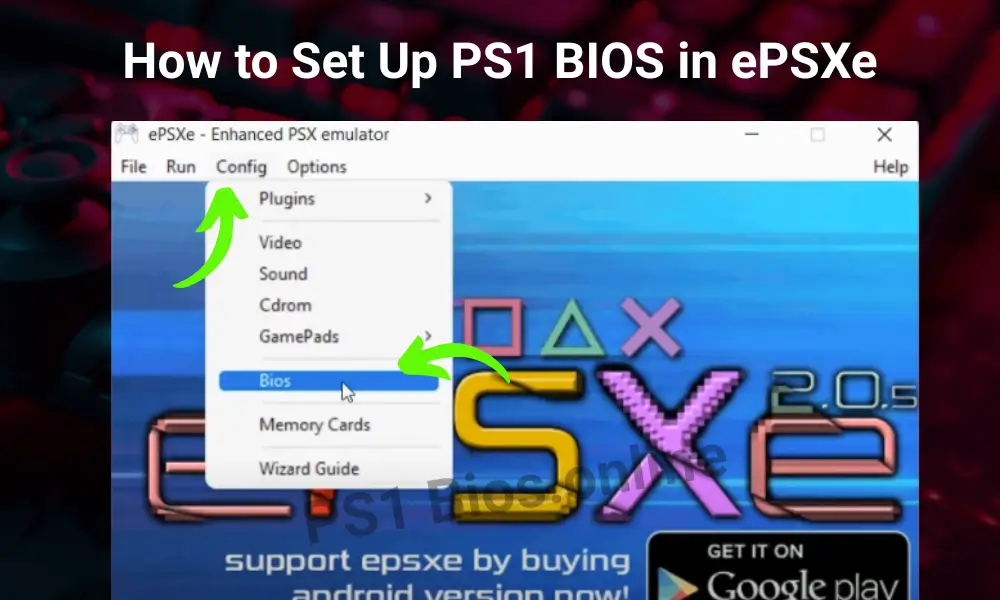
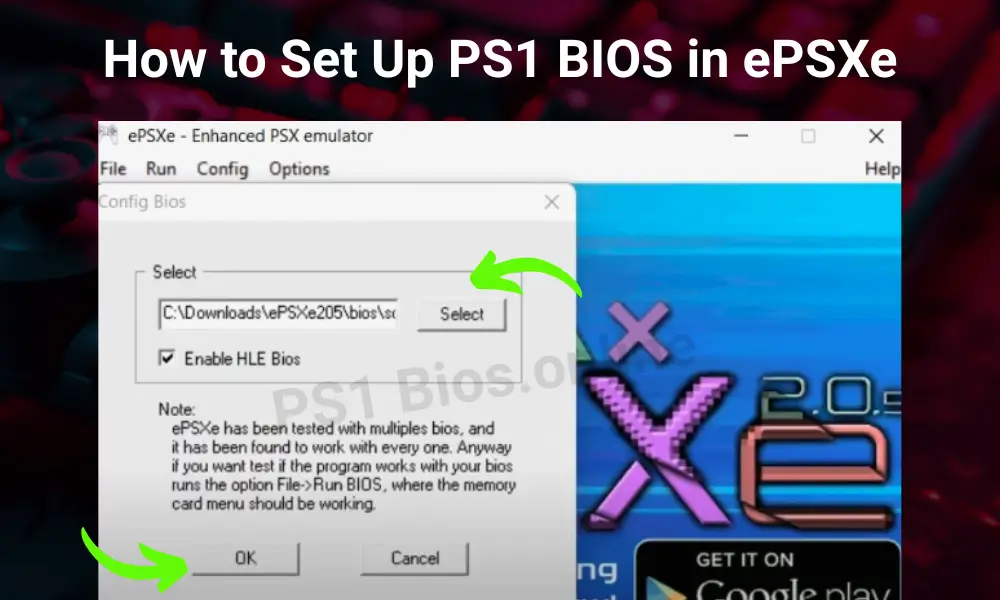
ePSXe requires a PS1 BIOS file to function correctly. Once the BIOS is configured, the emulator can properly initialize the PlayStation system and load game data without errors.
Steps to set up PS1 BIOS on ePSXe:
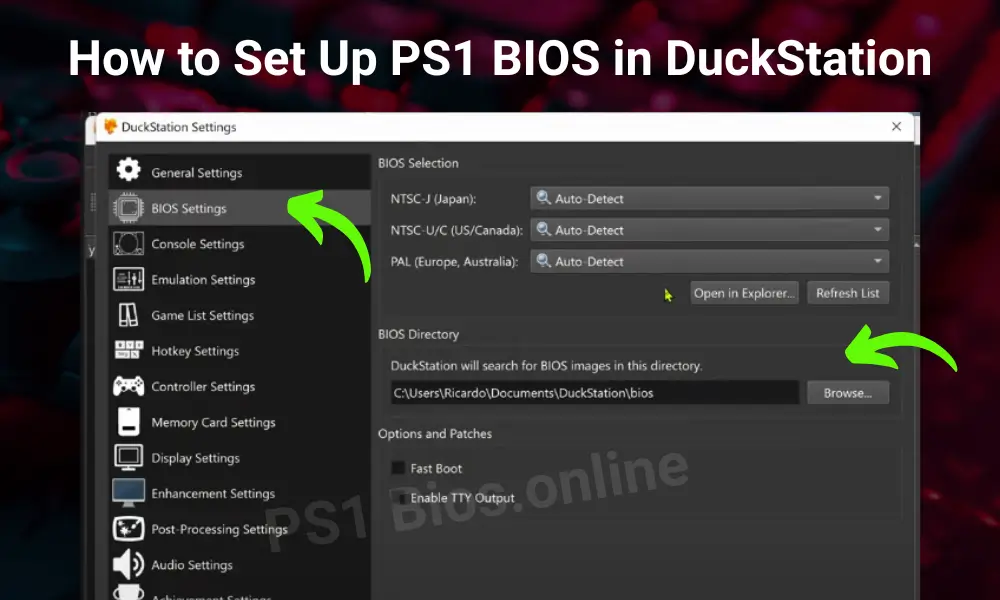
For DuckStation:
DuckStation is a modern PS1 emulator known for high accuracy and fast performance. It automatically detects valid BIOS files when they are placed in the correct directory.
Steps to set up PS1 BIOS on DuckStation:
For RetroArch:
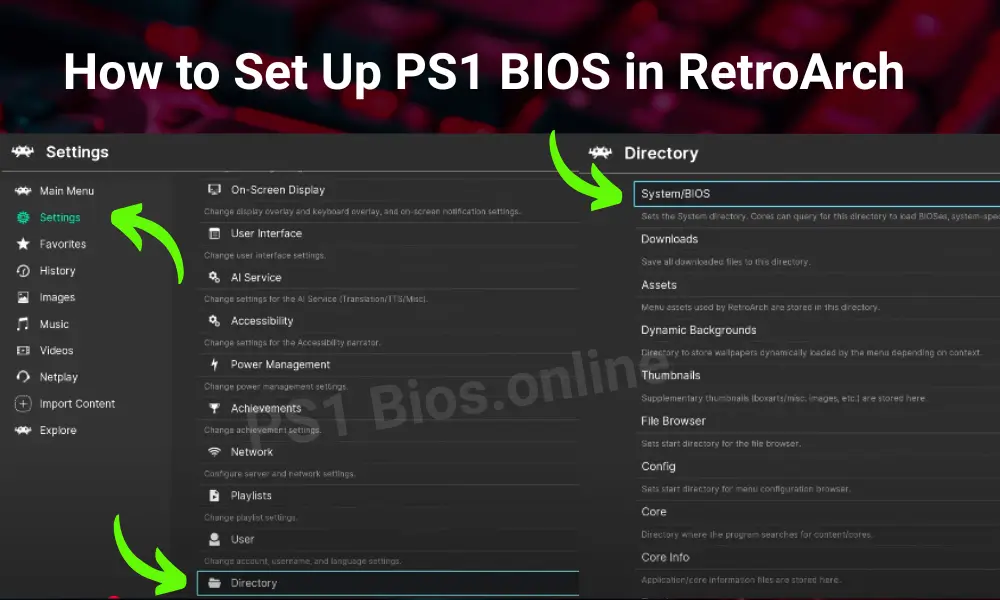
RetroArch uses a shared system folder for BIOS files. When the BIOS is placed in the correct location, RetroArch automatically applies it to supported PS1 cores.
Steps to set up PS1 BIOS on RetroArch:
How to Set Up PS1 BIOS on Mobile (Android & iOS)
Setting up the PS1 BIOS is essential for running PlayStation 1 games smoothly on mobile devices. The steps are very similar for Android and iOS, with minor differences in how you access files. Below are detailed steps for the most popular mobile PS1 emulators.
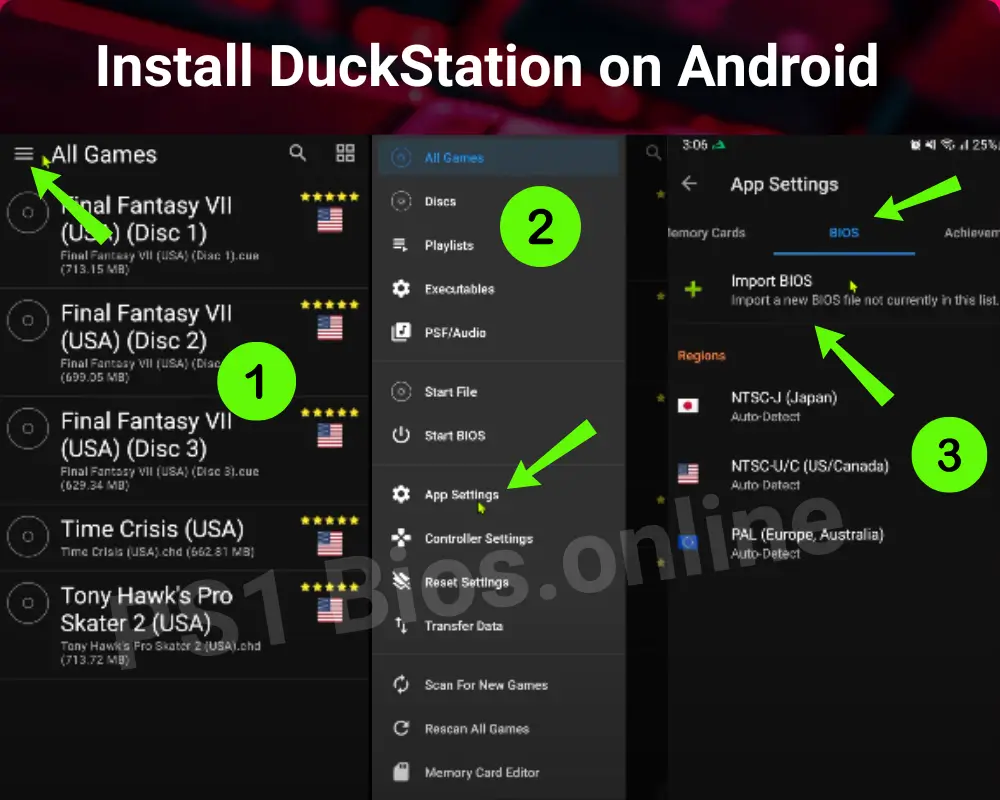
For DuckStation:
DuckStation is a highly accurate PS1 emulator that requires a BIOS file to run games correctly.
Steps to set up PS1 BIOS on DuckStation:
For ePSXe:
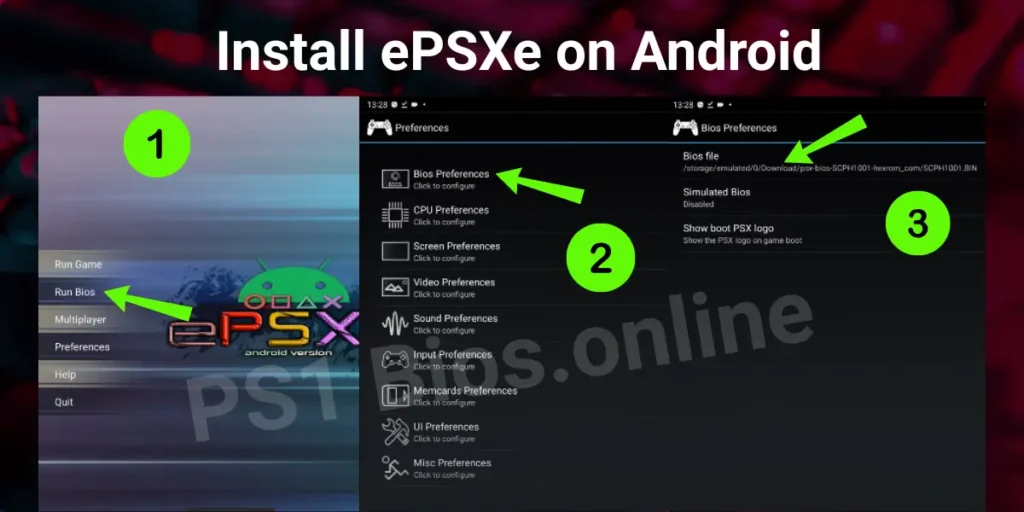
ePSXe emulates the PlayStation 1 hardware and requires a BIOS file to run games accurately.
Steps to set up PS1 BIOS on ePSXe:
For RetroArch:
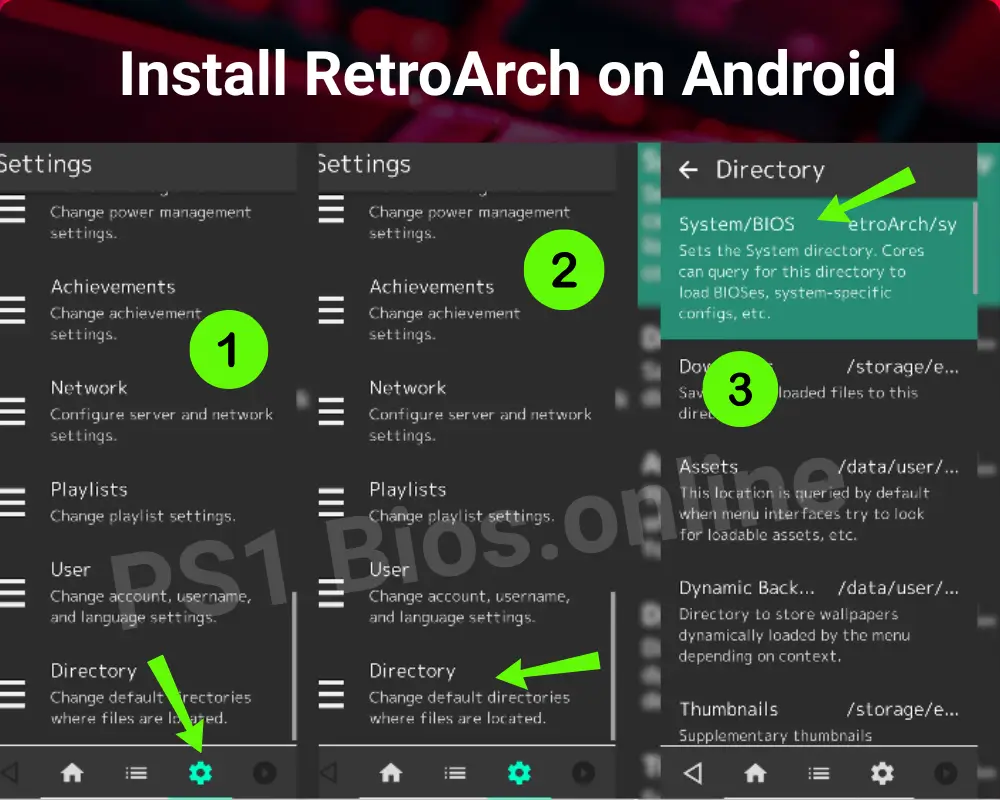
RetroArch uses a system folder for BIOS files, which must be added correctly for PS1 cores to function.
Steps to set up PS1 BIOS on RetroArch:
Provenance Emulator (Android & iOS)
Provenance is a reliable multi-system emulator that supports PS1 games on mobile devices. It requires a BIOS file to run games accurately and maintain compatibility. With features like save states, controller support, and a user-friendly interface, setting up the BIOS ensures smooth and stable gameplay.
Steps to set up PS1 BIOS on Provenance:
Best Practices for Managing Your PS1 BIOS Files
Keeping your BIOS files organized and updated makes gaming smoother and saves you from future problems. Follow these simple tips:
Common PS1 BIOS Issues and Easy Fixes
Having trouble with your PS1 emulator? Don’t worry! These are common problems and simple solutions that will get you back to gaming in no time.
High CPU Usage or Overheating
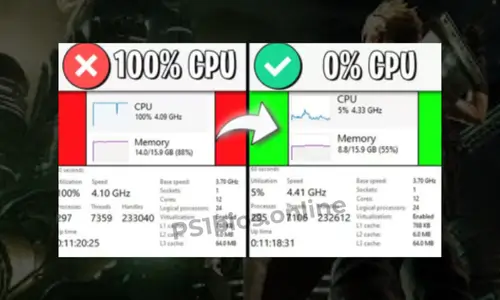
Issue: Your PC or phone is running too hard, causing lag or overheating.
How to fix it: Lower your graphics settings, enable frame skipping, and close any unnecessary background apps to ease the load.
BIOS Not Found by Emulator
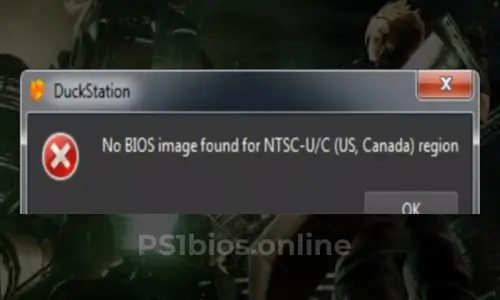
Issue: The emulator can’t locate your BIOS file.
How to fix it: Make sure the BIOS file (.bin) is in the correct folder and that your emulator’s settings point to it properly.
Game Crashes After BIOS Screen
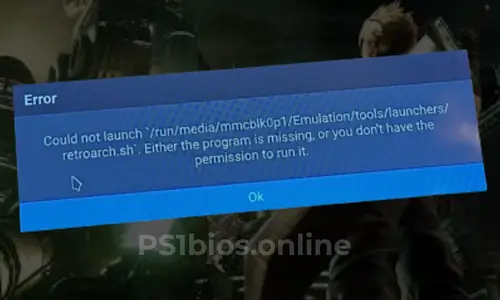
Issue: The game shows the BIOS logo but then crashes.
How to fix it: You’re likely using the wrong BIOS region. Match your BIOS file to your game’s region (USA, Europe/PAL, or Japan). Also, update your emulator to the latest version.
Screen Tearing or Graphics Glitches
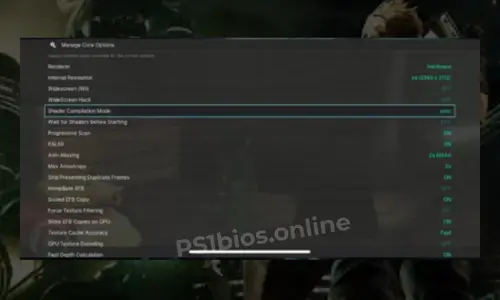
Issue: You see weird lines or broken graphics on screen.
How to fix it: Turn on V-Sync in the emulator settings. If problems continue, update your graphics drivers.
Game File Not Detected
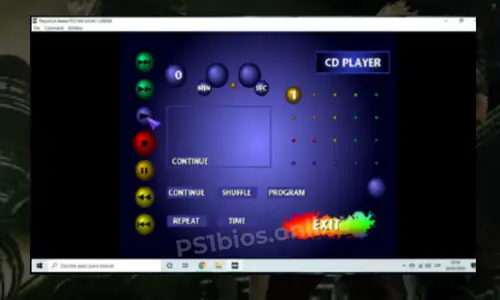
Issue: Emulator doesn’t recognize your game file.
How to fix it: Ensure your game is in .bin or .iso format. If it’s zipped, unzip it before loading.
Audio Delay or Out of Sync
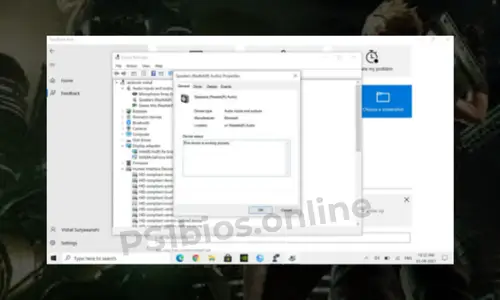
Issue: Sound lags or doesn’t match the gameplay.
How to fix it: Lower the audio latency in settings and make sure you’re using the correct BIOS for your game’s region.
Frequently Asked Questions About PS1 BIOS
Is PS1 BIOS safe to use in 2026?
Yes, as long as you download it legally and scan the files for viruses, using a PS1 BIOS is completely safe.
Can I run PS1 games without a BIOS?
Most PS1 emulators need a BIOS file to run games accurately. Without it, games may not start or work properly.
Which PS1 BIOS is better to use?
The SCPH1001 BIOS is the most widely compatible and recommended for smooth gameplay on most emulators.
What does a PS1 BIOS do?
It lets the emulator run PS1 games by managing system startup, memory, and hardware functions, making the game work like on a real console.
What happens if the BIOS is corrupted?
A corrupted BIOS can cause crashes, errors, or prevent games from loading properly.
How to permanently save BIOS settings?
BIOS settings are saved automatically by your emulator when you configure them. Make sure to apply or save changes in the emulator’s settings menu before exiting to keep them permanently.

Jack Carter
Hi! I’m Jack, and I love playing classic PlayStation 1 games. I enjoy finding the right PS1 BIOS files and setting them up so I can play my favorite games without any problems.
Gaming is my passion, especially old-school games that bring back great memories. I like sharing tips and learning new things to make gaming more fun. If you love retro games too, you’re in the right place!